Wellbeing since 1813
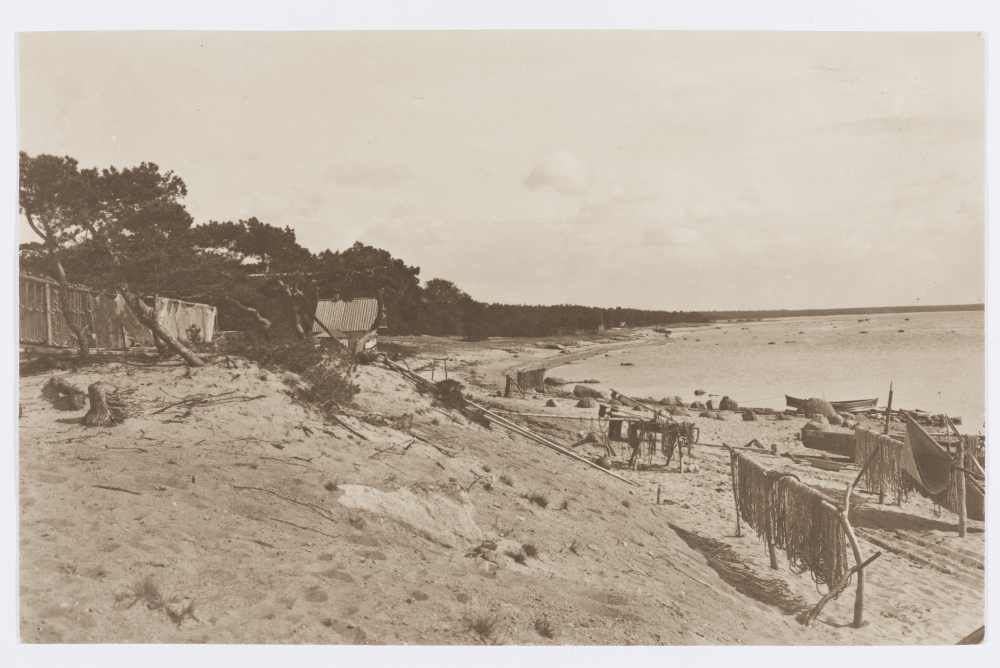
The first written records of the village of Laulasmaa date back to the 17th century. On Swedish-era maps, the place name appears as Laulasmeh. Laulasmaa Manor was founded in 1787. Most likely, a modest single-storey wooden main building was erected soon afterwards, but it no longer exists.
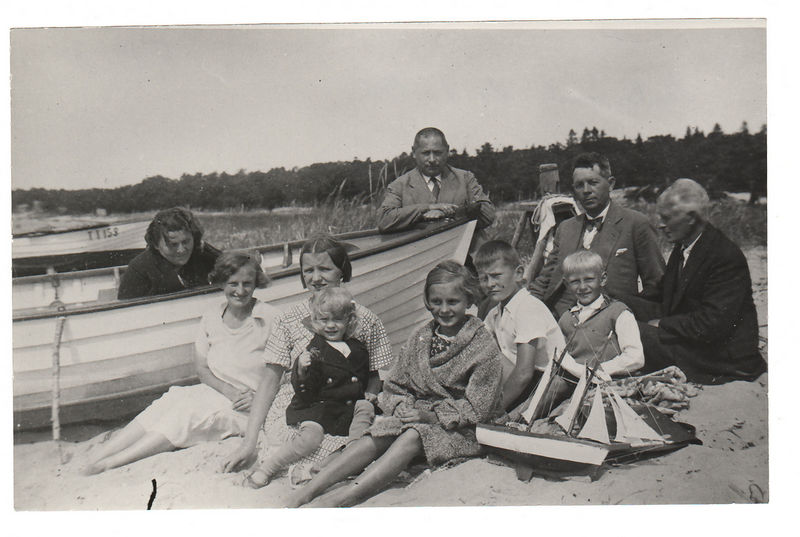
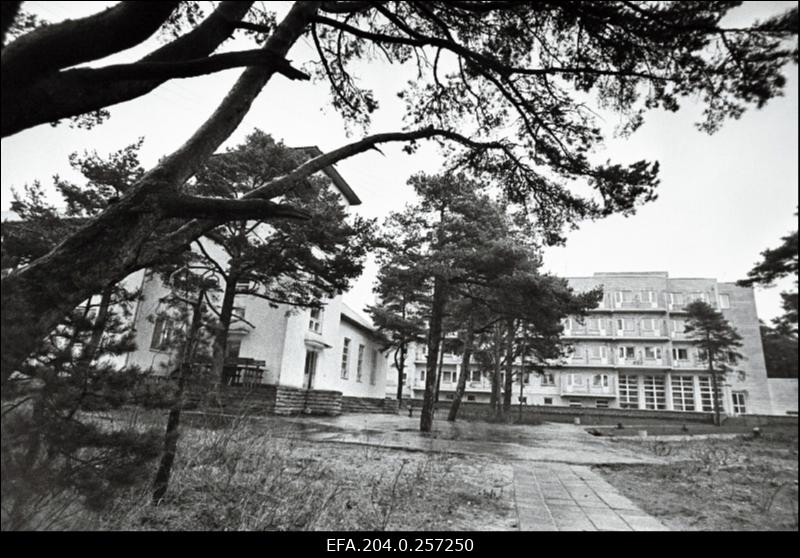
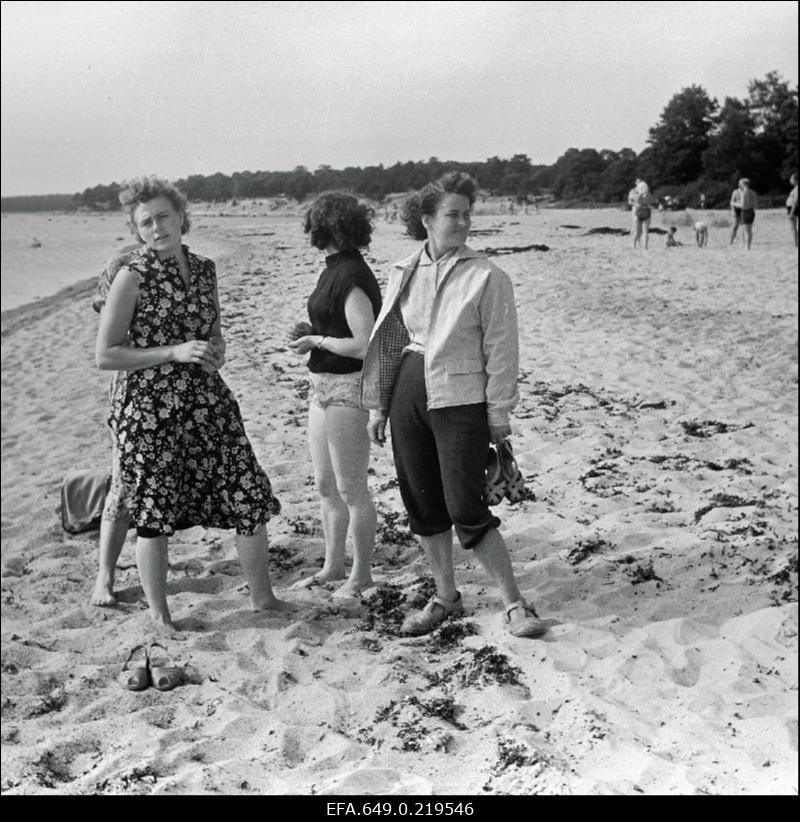
Historical notes state that medicinal bathing services were already offered at the bathhouse of Laulasmaa Manor in 1813, meaning it was one of the first spa-like establishments in Estonia. The entire Laulasmaa area became a popular summer resort already by the end of the 19th century. Throughout the 20th century, the resort continued to grow in popularity. In the 1950s, construction began on a large trade union holiday home in the pine forest by the sea. During the 1950s and 1960s, many additional buildings were added. In the 1980s, the complex expanded even further. Soviet workers could spend their holidays at the resort with a voucher issued by their workplace trade union.
After the Soviet era, the complex briefly operated as a sanatorium. It was then transformed by its owner, the Estonian Trade Union Confederation, into the Laulasmaa Training and Recreation Centre, which was used to host larger events. In the second half of the 1990s, the entire complex was sold to a private company, which renovated it and established a spa.
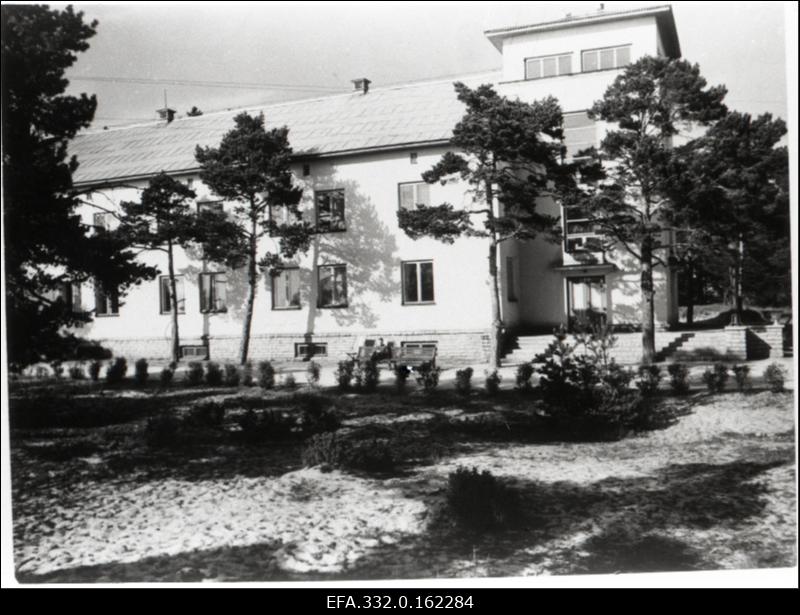
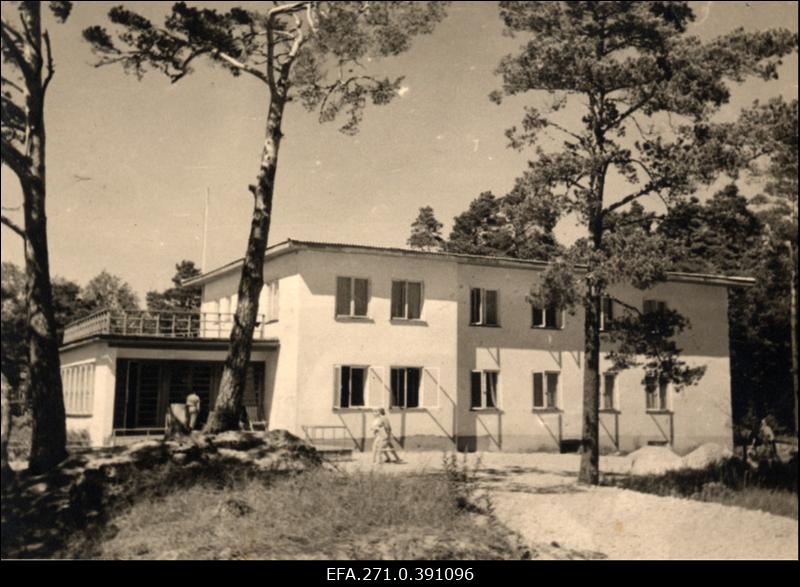
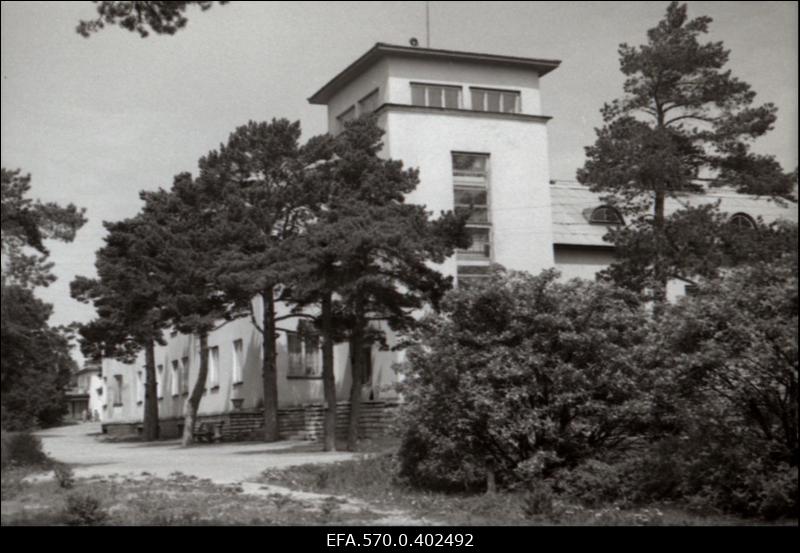
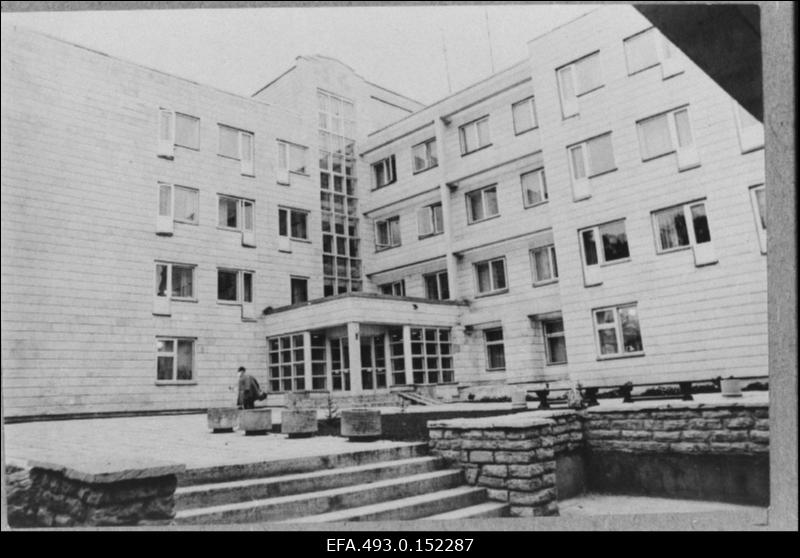
Hotel main building
The Laulasmaa Spa Hotel in its current form was built in 2003. The building’s architect was Priit Ehala. The designer of both the completed and planned reconstruction projects is interior designer Toomas Korb.
The Elam Håkansson family acquired ownership of the spa hotel and its 14-hectare forest-and-seaside area 13 years ago, initially as partial owners and later as 100% owners. Since then, the owners have invested over €10 million in renovating the spa complex, and LaSpa continues to be continuously renewed.